Field Guide · No. 1
Systems Over Stuff
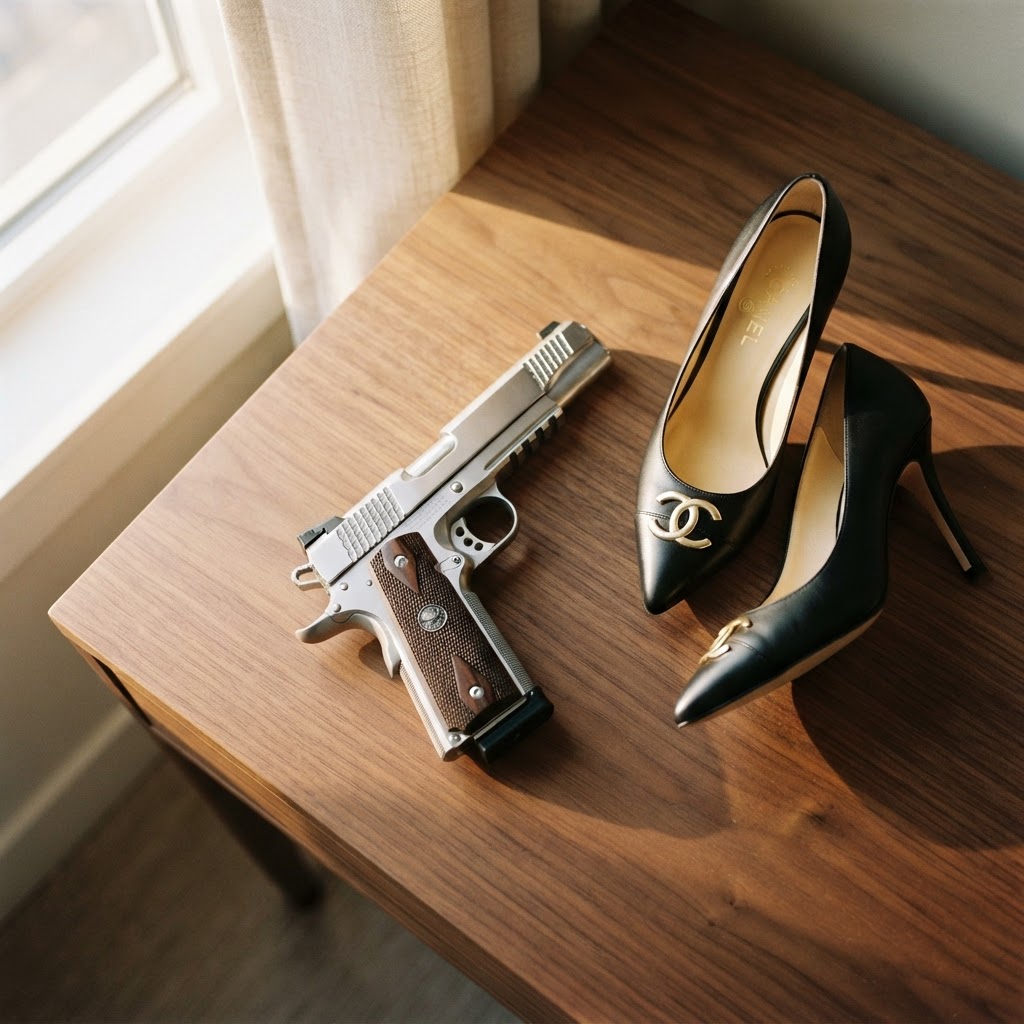
Details Define Readiness
Having a well-thought-out system is what brings clarity to the chaos. It isn't about how much you own, but about how everything works together when it matters most. Systems create structure so you can act with calm, confidence, and purpose.
The goal isn't to prepare for every possible disaster—it's to be prepared for the life you actually live.
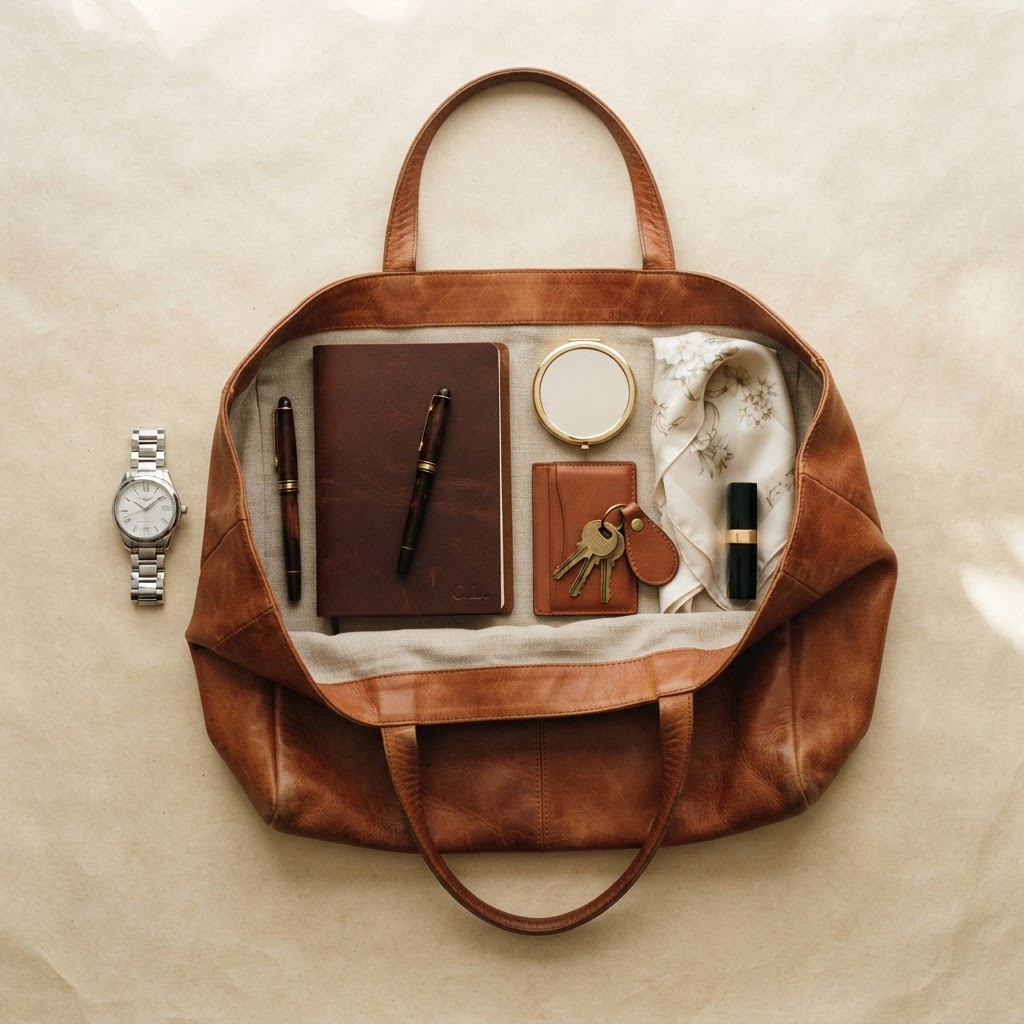
Start With Your Life
Think about your day, your week, and your month. What situations are you realistically likely to encounter? Your systems should be built around your actual lifestyle, not worst-case fantasies.
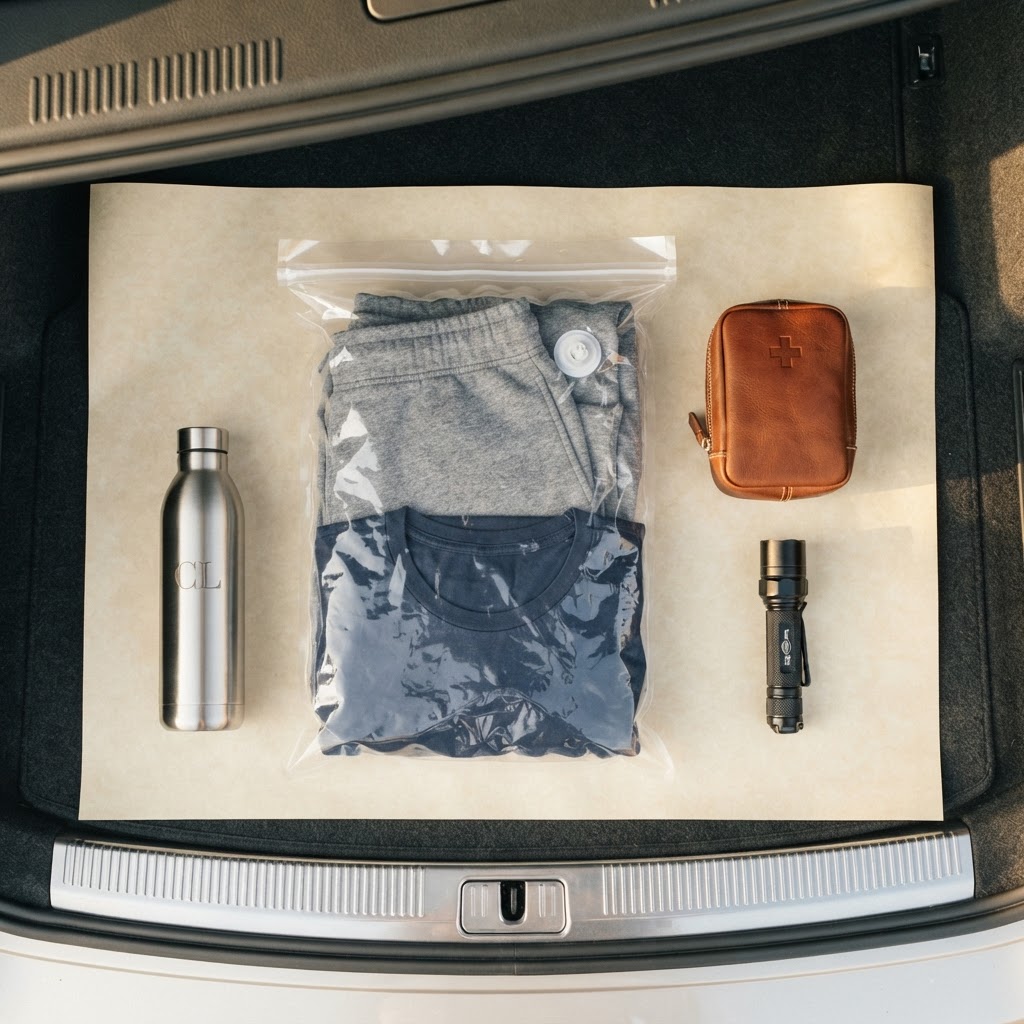
For most people, that means preparing for everyday inconveniences and minor emergencies before investing in specialized gear you'll never use. A flashlight you'll use weekly is more valuable than expensive equipment that spends years untouched.
Real readiness is sustainable, affordable, and practical.
Build With Intention
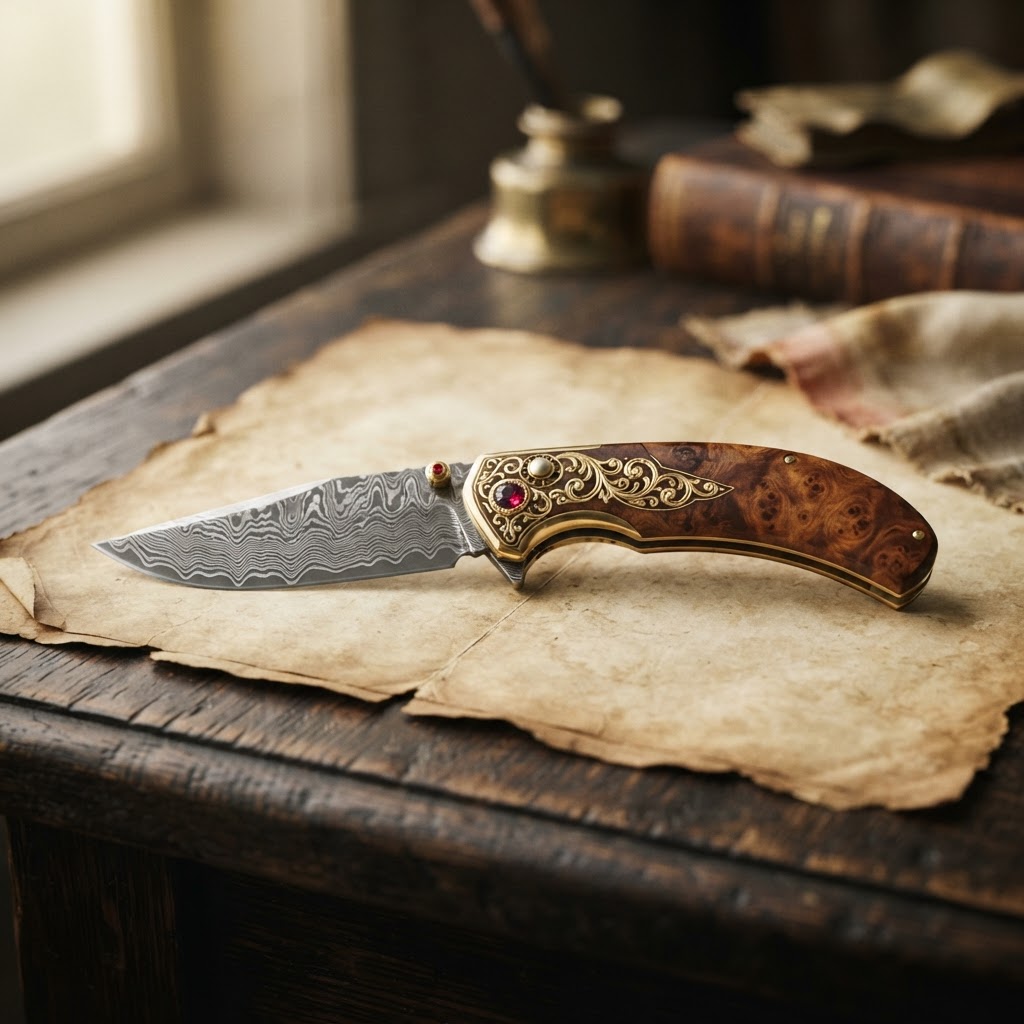
Every item should earn its place.
Before buying something, ask yourself:
"Will I actually use this?"
It's surprisingly easy to overbuy because an item looks useful online or someone else recommends it. Eventually those purchases become clutter—drawers full of equipment that expires, duplicates, or simply never gets used.
Sometimes the "buy once, cry once" philosophy absolutely makes sense. Purchasing one quality item you'll rely on for years is often a better investment than replacing cheaper versions over and over again.
Quality over quantity. Always.
Let Your System Decide
The greatest benefit of having a system is that decision-making becomes easier.
When every item has a purpose, it's much easier to recognize what belongs—and what doesn't.
For example, a simple everyday medical kit might include:
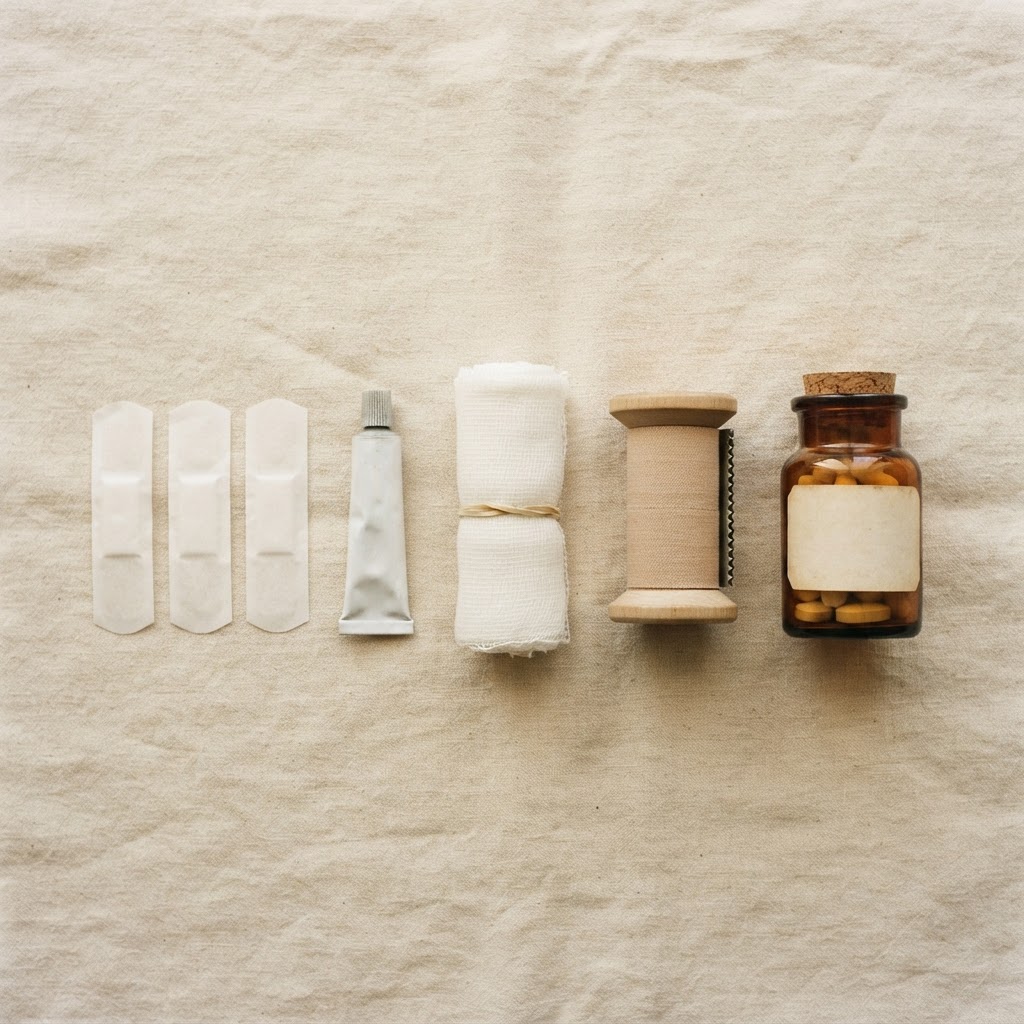
- Adhesive bandages
- Antibiotic ointment
- Gauze
- Medical tape
- Pain reliever
What it probably doesn't need is a splint or a tourniquet unless you've received proper training and have a legitimate reason to carry them. Those items belong in different systems for different people.
Your system defines your equipment—not social media, not trends, and not fear.
Plan Smart, Not Extreme
Preparedness isn't about preparing for the end of the world.
It's about making everyday life easier.
Stockpiling years of supplies may look impressive, but it's also expensive and often wasteful. Many items expire long before they're ever needed.
Instead, build systems you can realistically maintain.
- Rotate your supplies.
- Replace what you use.
- Keep things organized.
Preparedness should fit naturally into your life rather than becoming another source of stress.
The Details Matter
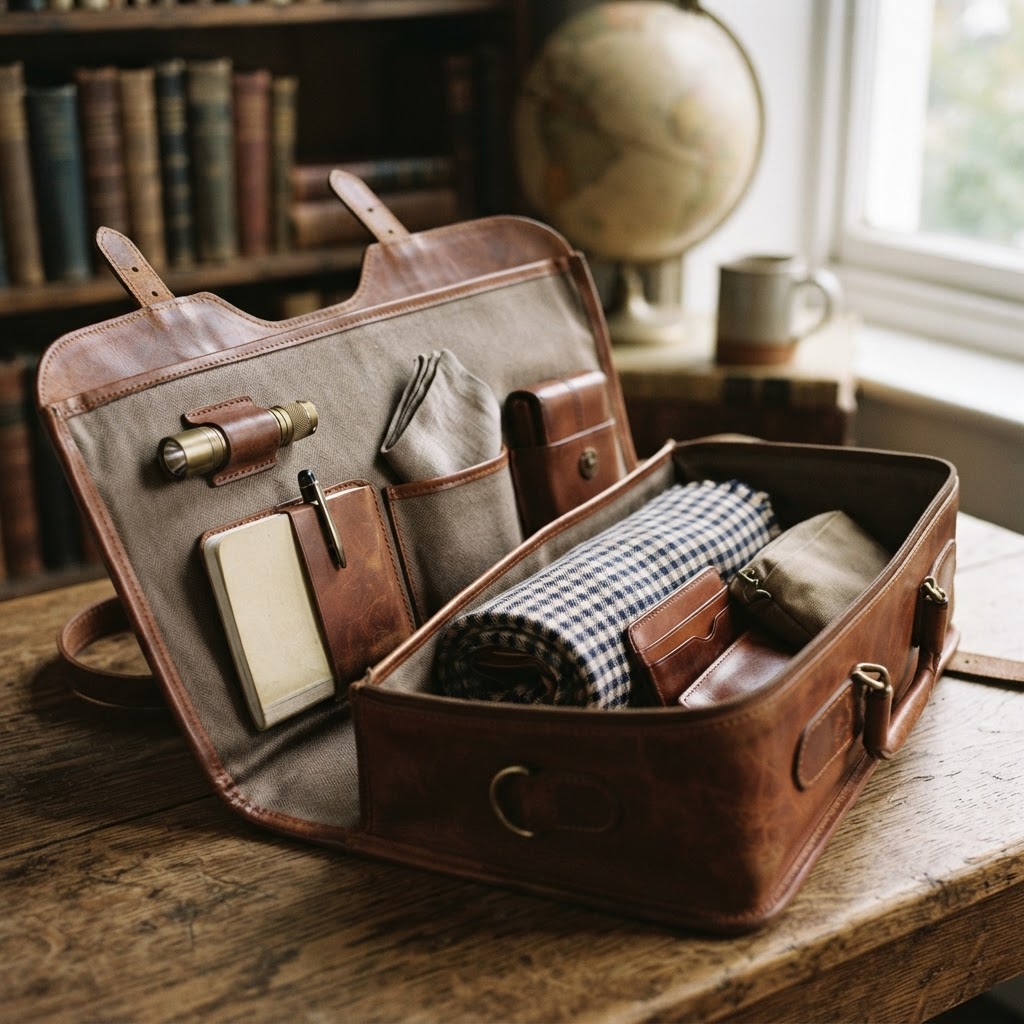
The smallest details are often what make a system successful.
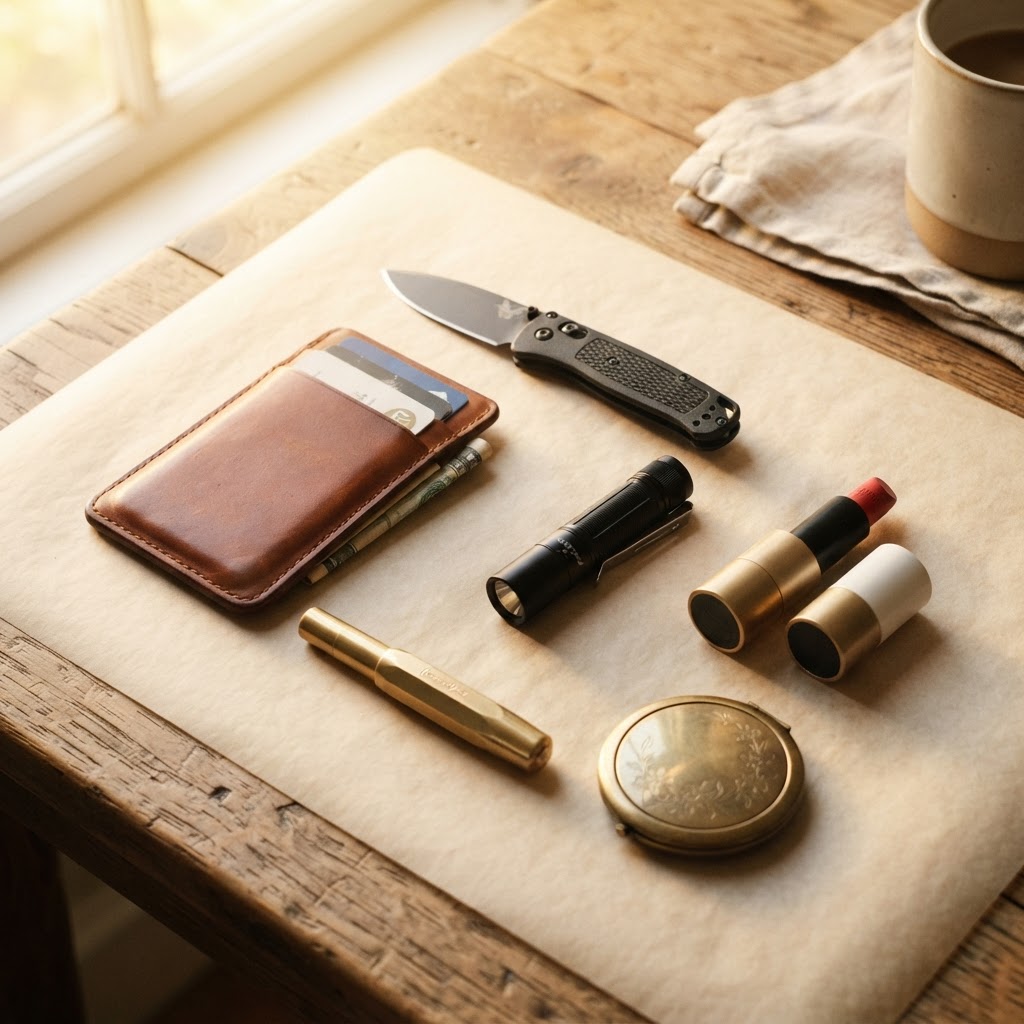
- How you organize your bag.
- How you label equipment.
- Where you store your flashlight.
- Whether batteries are fresh.
- Whether medications are still in date.
- Whether everything can be reached quickly without digging.
These seemingly insignificant choices become incredibly important when you're tired, stressed, or dealing with an unexpected situation.
The details are not extra.
They are the difference between having equipment and having a system.
The Covert Lady
Detail Check
Before adding anything to your collection, ask yourself:
- Does this support my real life?
- Will I actually use it?
- Do I know how to use it?
- Does it fit into one of my existing systems?
- Is it easy to access?
- Can I maintain it?
- Will I still find value in it a year from now?
If the answer is "no," don't buy another item.
Improve the system instead.
The Covert Lady Philosophy
True preparedness isn't measured by how much you own.
It's measured by how confidently you can solve the problems life actually puts in front of you.
Every item should have a purpose.
Every purchase should be intentional.
Every system should make your life simpler—not more complicated.
Because quiet confidence doesn't come from owning more.
It comes from knowing exactly what you have, exactly where it belongs, and exactly how to use it.
Systems create clarity. Details create confidence.
— The Covert Lady