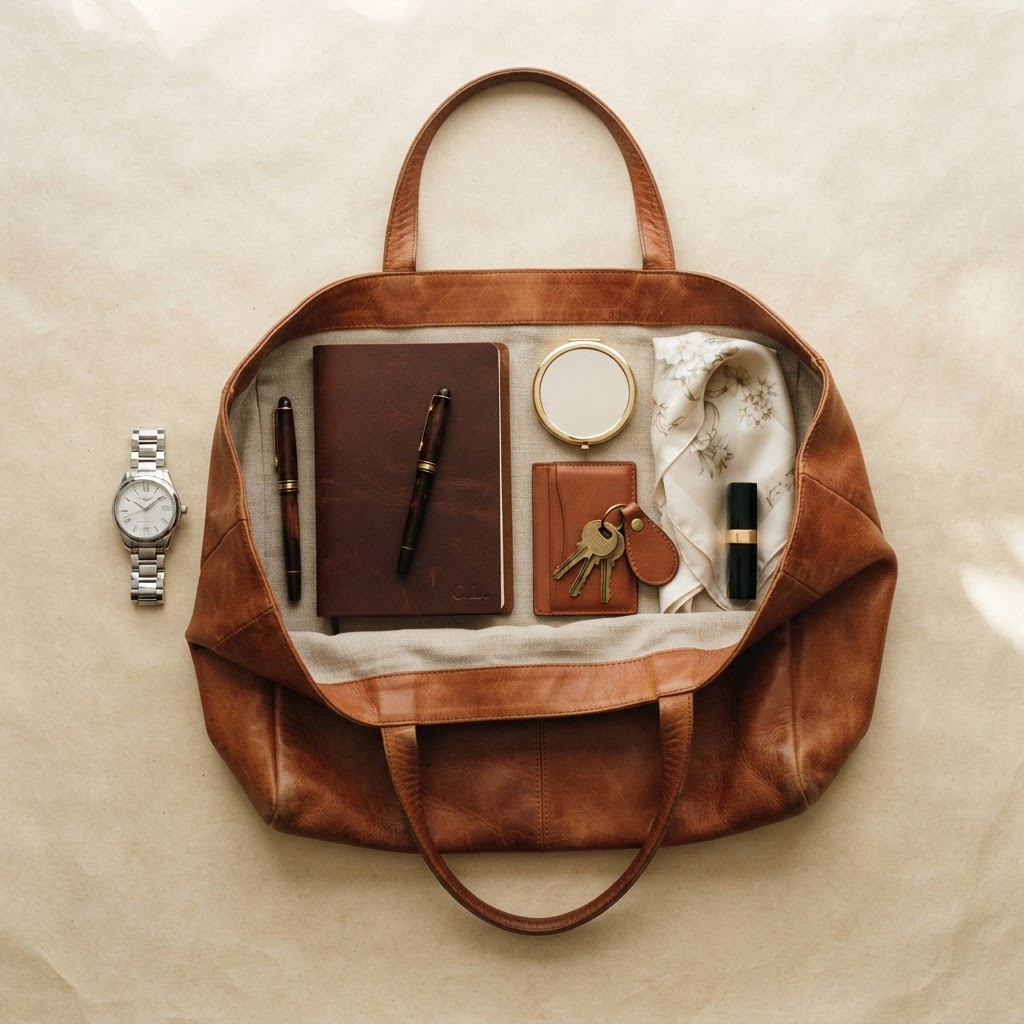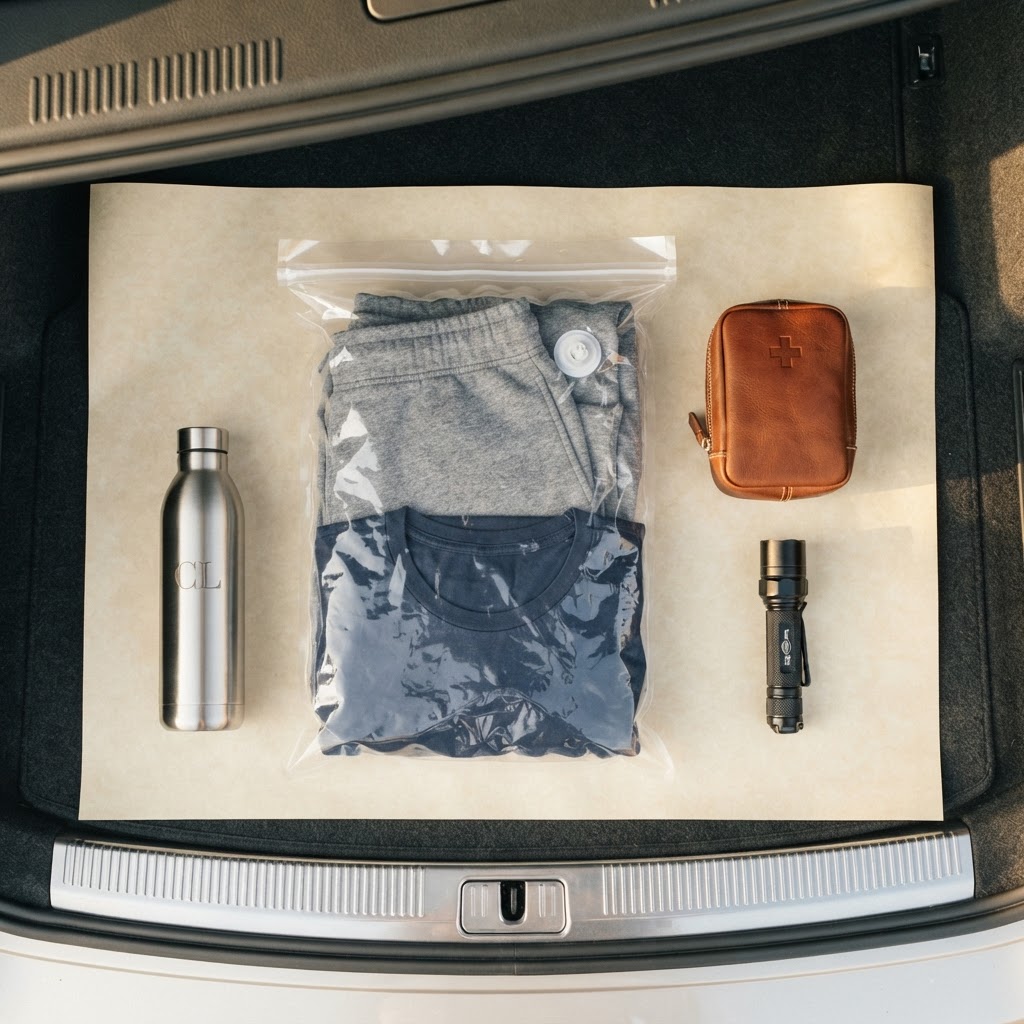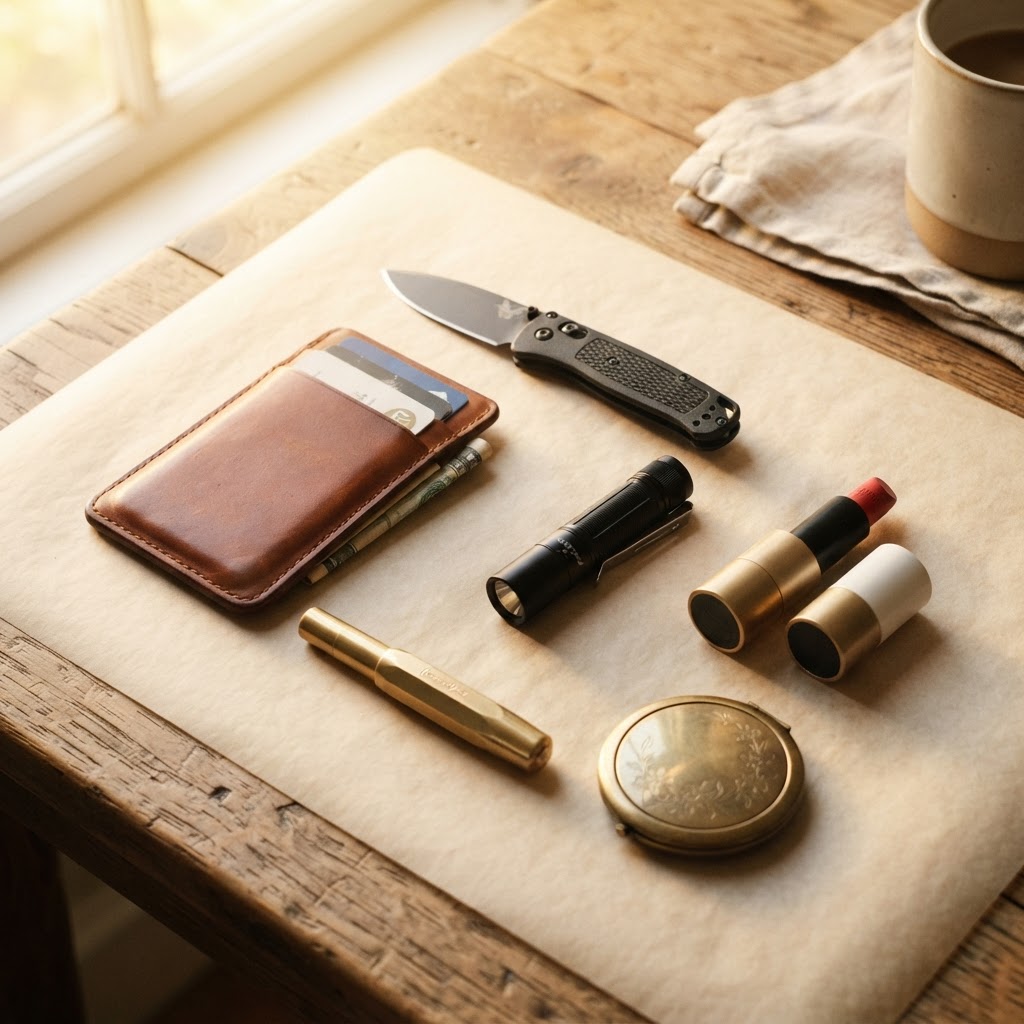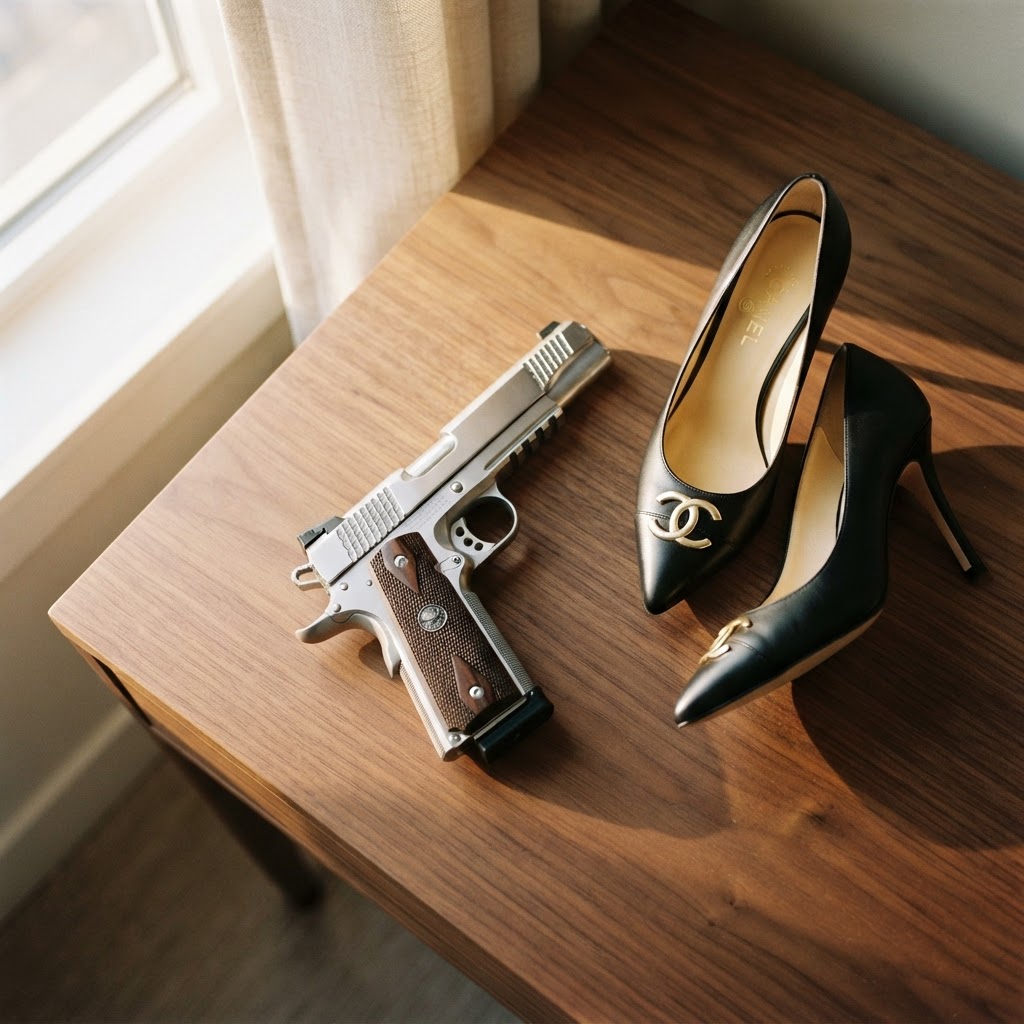
"Confidence isn't purchased at the gun counter. It's earned through knowledge, training, and responsibility."
Choosing your first handgun is a lot like buying your first good pair of shoes.
Just because a style works well for someone else doesn't mean it will be the right fit for you. The "best" handgun isn't the one with the most recommendations online or the one your friend carries. It's the one that fits you.
Your first handgun probably won't be your last. As your experience grows, your needs may change, and that's perfectly normal. The goal isn't to find the perfect handgun. The goal is to find the one that begins your journey with confidence.
Before you compare brands, calibers, or features, ask yourself one simple question: What is this handgun's purpose?
Are you purchasing it for home defense? Concealed carry? A vehicle firearm? Range training? Maybe you're looking for one handgun that can do a little of everything. Understanding its purpose will narrow your choices much faster than reading countless reviews online. A firearm is a tool, and every tool should have a purpose.
Once you've answered that question, it's time to do what many first-time buyers skip — pick them up.
Visit a few different gun stores and handle as many handguns as you can. Most gun stores are happy to remove firearms from the display case so you can see them up close, feel how they fit in your hand, and answer your questions. Wrap your hand around the grip. Can you comfortably reach the trigger? Can you manipulate the controls without shifting your grip? Does it point naturally? Does it feel balanced?
Just like trying on shoes, you'll know fairly quickly when something doesn't fit.
As you handle different firearms, remember one of the most important rules of firearm safety: always treat every firearm as if it is loaded. Even though display firearms have been checked and are unloaded, safe habits begin the moment one is placed in your hands. If you'd like to look through the sights, ask the salesperson where they would like you to point the firearm. Most stores have a designated wall, banner, or safe direction for customers to use. It's a simple courtesy that demonstrates good firearm etiquette from the very beginning.
While you're shopping, remember that no gun store carries every manufacturer or every model. A salesperson can only recommend what they have available. Their recommendation may be excellent, but that doesn't necessarily mean it's the best handgun for you. Visit multiple stores, ask questions, and never feel pressured to make a purchase that day. This is an important decision, and it's worth making with confidence rather than urgency.
One of the biggest mistakes first-time buyers make is purchasing the handgun someone else thinks they should own.
Your husband may love his handgun. Your best friend may swear by hers. Your neighbor may insist one brand is better than every other brand, and the internet certainly has no shortage of opinions.
Listen to advice, but remember that you're the one who has to shoot it.
Being a woman doesn't mean you automatically need the smallest handgun in the display case. In fact, many people are surprised to learn that the smaller and lighter a handgun is, the more felt recoil it often produces. While those compact pistols are easier to conceal, they can also be less comfortable to shoot and more difficult to control. A slightly larger handgun may fit your hands better, reduce felt recoil, and make practice much more enjoyable. The handgun you enjoy shooting is the one you're most likely to train with.
Manufacturers offer handguns in just about every color and pattern imaginable. You'll find pink frames, camouflage finishes, leopard prints, and nearly everything in between. If that's what you like, there's nothing wrong with it. But don't overlook the classic black handgun simply because it seems plain.
Every woman understands the value of a little black dress. It's timeless. It matches everything, and it never goes out of style. Your first handgun should be chosen because it fits your hand, serves its purpose, and gives you confidence — not simply because of the color. Function should always come before fashion.
Before making your final decision, call a few local shooting ranges and ask if they rent handguns.
Every range has different rental policies, so it's helpful to know what to expect before you arrive. Renting before buying is one of the smartest investments you can make.
A handgun that feels perfect in the gun store may feel completely different once you begin shooting it. Some firearms have more felt recoil, some have a sharper recoil impulse, and some simply fit your shooting style better than others.
Think back to our shoe analogy. We've all bought that beautiful pair of heels that looked incredible in the store, only to discover an hour later that they were miserable to wear. A handgun can be exactly the same. Spending a little money on a rental today may save you hundreds of dollars on a handgun that simply wasn't the right fit.
When planning your purchase, remember that the handgun is only part of the investment. You'll also need ammunition for practice, eye and ear protection, a quality holster if you plan to carry, a secure safe or lock for storage, a cleaning kit, extra magazines, and regular range time. If you're new to shooting, consider budgeting for a beginner's class as well.
Owning a firearm without practicing is like buying a great pair of shoes and leaving them in the closet. You never learn how they fit or how they perform. Training builds confidence, and confidence comes from repetition.
When you bring your handgun home, don't stop learning. Read the owner's manual. Learn how it functions, how to safely load and unload it, how to field strip it, and how to clean and lubricate it properly. A quality handgun can last a lifetime and may even become something that's passed down to the next generation. Taking care of your investment is simply part of being a responsible firearm owner.
It's also important to understand the laws where you live. Firearm laws vary from state to state, so take the time to learn what's required to purchase, possess, carry, transport, and store your handgun. If you're unsure about something, ask questions and rely on reputable sources. Responsible firearm ownership includes understanding both your firearm and the laws that govern it.
Finally, here's a piece of advice that has less to do with handguns and more to do with mindset.
You don't have to tell everyone you're buying one.
You don't need to post it on social media. You don't need to announce it at work. You don't owe anyone an explanation for choosing to protect yourself or your family.
Your firearm is part of your personal safety plan. The fewer people who know the details of that plan, the better.
Being prepared doesn't require being public.
Confidence doesn't need an audience.
There isn't a perfect first handgun. There is only the one that fits your hands, your purpose, and your lifestyle. Take your time. Ask questions. Handle as many firearms as you can. Rent before you buy. Learn your firearm. Practice often.
Because confidence isn't something you purchase.
It's something you earn.
Welcome to the beginning of your journey.
Quiet Confidence. Timeless Choices.
— The Covert Lady