When people find out I work in the firearm industry, they often assume I've learned everything there is to know about firearms. While I've certainly learned a tremendous amount about the products themselves, the biggest lessons have had very little to do with the firearms. They've been lessons about preparation, discipline, intentional decision-making, and even understanding people. Working in this industry has given me a perspective I never expected, and it has shaped the way I approach far more than what I carry.
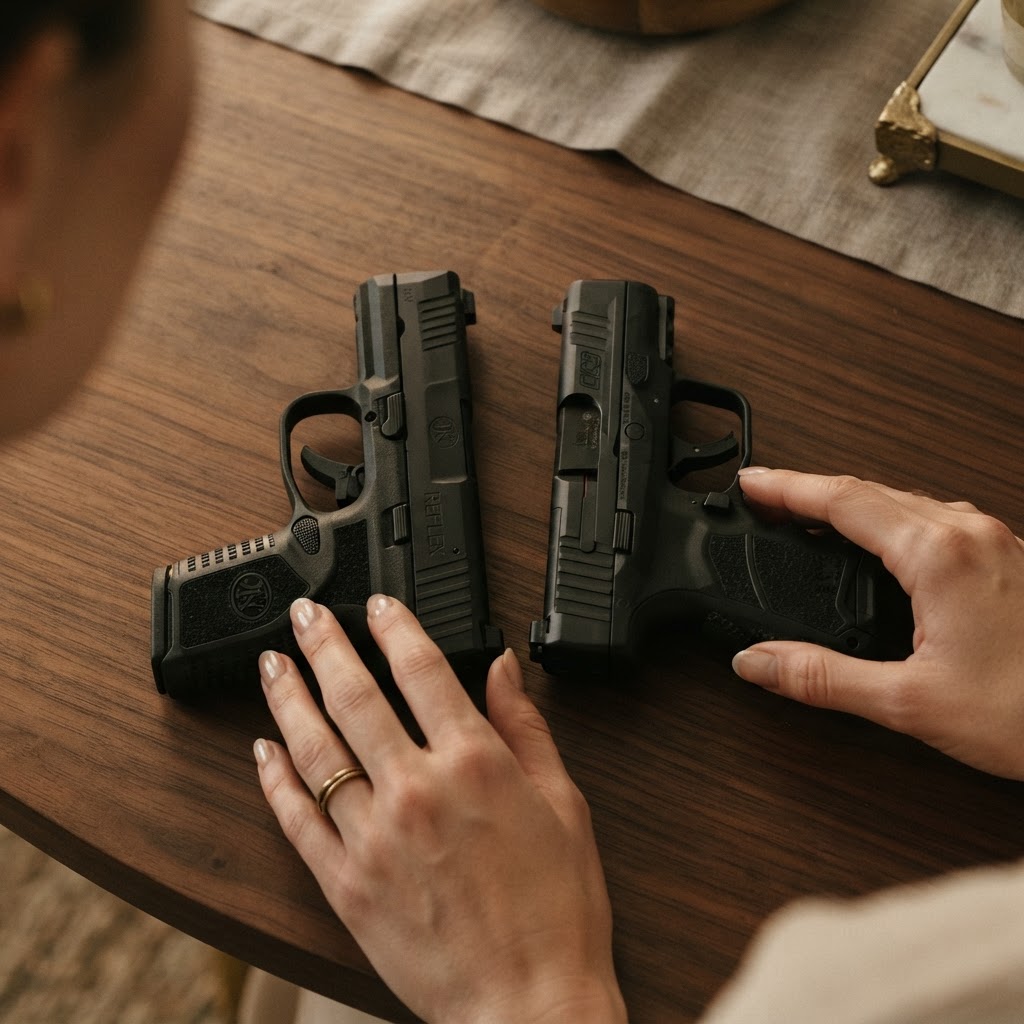
One of the first things I learned is that there is no such thing as the perfect firearm. There are simply better options for different situations. Every platform, caliber, and size comes with advantages and trade-offs, which is why experienced shooters often own more than one firearm. It isn't because they're chasing the next new release—it's because each fills a different role. A full-size pistol may be ideal for home defense or long days at the range, while a smaller handgun may be far easier to comfortably carry every day. The same applies to calibers. Each has strengths and weaknesses depending on your intended purpose, your experience, and what you're comfortable shooting well. Once you begin looking at firearms as specialized tools instead of universal solutions, your decisions become much more intentional.
That mindset naturally leads to another lesson: don't chase the hype.
Every year manufacturers introduce new models, optics, accessories, and features, each promising to be better than the last. There are outstanding firearms available at nearly every price point, and the most expensive or newest option isn't automatically the right one. I've seen people overlook dependable firearms simply because they weren't the latest release, while others spent far more money than necessary on features they never truly used. The better question isn't, "What's everyone buying?" It's, "What works for me?" A firearm should fit your hands, your intended purpose, and your lifestyle—not someone else's social media feed.
I've also learned that buying the firearm is only the beginning. Practice is what transforms a purchase into a skill. Owning a firearm doesn't make you prepared any more than owning a set of golf clubs makes you a golfer. Your body learns through repetition. The more you safely train, the more natural your grip, sight alignment, trigger press, and reloads become. Under stress, you won't magically perform at your best—you'll fall back on the level of training you've put in.
One thing that surprises many new shooters is how physically demanding shooting can actually be. Maintaining a proper grip, managing recoil, and staying mentally focused takes more energy than people expect. Without regular practice, your hands, forearms, and shoulders tire much quicker than you realize. As fatigue sets in, your accuracy begins to decline and small mistakes become more likely. Consistent training isn't about shooting thousands of rounds every weekend. It's about building confidence and muscle memory through regular, intentional practice.
Ironically, one of the greatest benefits I've found from shooting has nothing to do with self-defense.
Range time has become one of my favorite forms of stress relief. Shooting demands your complete attention. For an hour, work emails, phone notifications, and the never-ending to-do list all seem to disappear. Your focus shifts to your stance, your breathing, your trigger press, and the target in front of you. It's one of the few hobbies I've found that requires you to be completely present. I almost always leave the range feeling calmer, more focused, and mentally refreshed than when I arrived.
Working in this industry has also taught me that my voice matters. As a woman, I often see products, conversations, and customer experiences through a different lens than many of my male counterparts. That difference isn't about being right or wrong—it's about offering another perspective. Whether it's recognizing how a firearm fits smaller hands, how comfortably it carries throughout an entire day, or understanding the questions another woman may hesitate to ask, those observations matter. Sometimes the smallest detail can have the biggest impact. Different perspectives make the industry stronger because they help more people feel understood and better served.
Another lesson that has become increasingly important to me is the value of privacy. Not everyone needs to know what you own, what you carry, or what you've purchased. In today's world, where sharing every detail online has become second nature, I've come to appreciate the strength that comes with being quietly prepared. Confidence doesn't have to be announced. In many cases, the less attention you draw to yourself, the better.
If there's one common thread running through everything I've learned, it's intentionality.
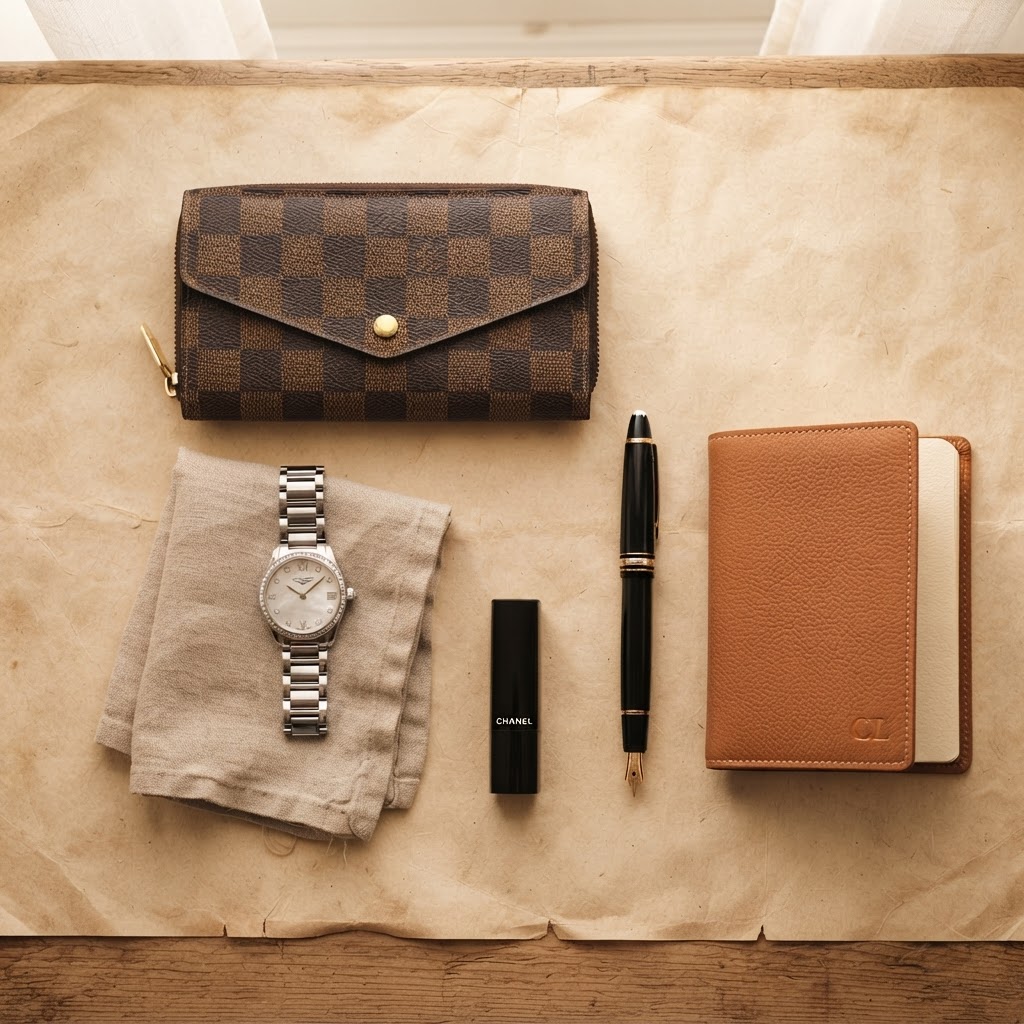
The same philosophy that guides my choices in firearms also guides how I approach everyday carry, gear, and even life. I don't believe in buying something simply because it's new or popular. I believe in choosing things that serve a purpose, that fit my lifestyle, and that I'll still appreciate years from now. Whether it's a firearm, a knife, a bag, or a watch, quality and purpose will always outlast hype.
Working in the firearm industry has taught me that confidence isn't something you can purchase. It comes from knowledge, training, preparation, and experience. The firearm itself is simply a tool. The mindset behind it is what truly matters. That's the lesson I'll carry with me long after the next new product is released, and it's one I believe applies just as much outside the firearm industry as it does within it.
Confidence Can't Be Purchased
— The Covert Lady