Preparation is rarely dramatic.
Most people imagine preparedness as something reserved for emergencies—a prepper's dream of stocked bunkers, shelves lined with supplies, generators humming, and plans for every imaginable disaster. Others picture a storm, a flat tire, a power outage, or a moment when everything goes wrong.
While stocking for the end of the world can certainly be impressive, it is also expensive and often impractical for the average person. Many emergency supplies have a shelf life, and unless they are rotated into regular use, they eventually become wasted investments. Owning more does not automatically make you more prepared.
Real preparedness begins long before any of those moments.
It is found in the quiet decisions we make every day.
Preparedness is really about thinking ahead. Before you leave the house, consider what your day or week is likely to hold and what you may realistically need. Will you be driving long distances? Traveling? Working late? Spending time outdoors? Most of us encounter ordinary inconveniences far more often than extraordinary disasters, and preparing for those everyday moments has the greatest impact.
Preparation is built one thoughtful decision at a time.
It is choosing quality over convenience.
Learning instead of assuming.
Repairing instead of replacing.
Owning fewer things, but knowing every one of them well.
Preparedness is not built overnight. It is constructed piece by piece, much like the framework of a well-built home. Most people never notice the beams hidden behind the walls, yet those unseen supports determine whether the structure stands for generations or fails under pressure.
Our lives are no different.
The strongest parts are often invisible.
No one notices the habits that quietly shape your mornings.
No one sees the hours spent practicing a skill until the moment that skill becomes necessary.
No one applauds the discipline of maintaining your equipment, organizing your home, or investing in timeless pieces instead of temporary trends.
Yet those quiet choices become the architecture of a life that remains steady when everything around it becomes uncertain.
When deciding what belongs in your everyday life—whether you'll use it daily, weekly, or only a few times each month—it is important to be both realistic and strategic.
Before making any purchase, ask yourself one simple question:
Will I actually use this?
It sounds obvious, but it is one of the hardest questions to answer honestly. We often buy for the person we hope to become instead of the life we actually live. Before long, drawers are full, closets are crowded, and money has been spent on things that rarely leave the shelf.
Preparedness is not measured by the number of items you own. It is measured by how well the things you own serve your life.
Sometimes less truly is more.
That doesn't always mean buying the least expensive option, either. There are times when the old saying, "buy once, cry once," holds true. Investing in quality can save money, frustration, and repeated replacements over the years. A dependable flashlight, a well-made backpack, a quality kitchen knife, or a reliable pair of boots will often outlast several cheaper alternatives.
The goal isn't to buy expensive things for the sake of owning expensive things. The goal is to purchase thoughtfully, choose quality where it matters, and use those items often enough that they earn their place.
Just as important as choosing the right items is creating the right systems.
One of the biggest mistakes people make when becoming more prepared is assuming they simply need more gear.
In reality, what they need is a system.
A system gives every item a purpose and every purpose a place. Once you establish a system, it becomes much easier to decide what belongs and what doesn't. Instead of asking whether something looks useful, you begin asking whether it supports the system you've already built.
A good system also reveals what is missing. Rather than collecting random equipment, you're intentionally filling gaps.
Consider a simple first aid kit. Most households don't need a backpack full of trauma equipment for everyday life. What they do need are the items they're most likely to reach for: adhesive bandages, gauze, antiseptic ointment, medical tape, pain relievers, tweezers, gloves, and a few basic supplies for cuts, scrapes, burns, and other common injuries.
More specialized equipment may absolutely have a place, but only when it aligns with your circumstances, your training, and your overall preparedness plan. Owning equipment without understanding how or when to use it doesn't make you more prepared. Knowledge should always grow alongside your gear.
This philosophy extends far beyond a medical kit.
Your everyday carry should be a system.
Your vehicle should be a system.
Your pantry should be a system.
Your workspace should be a system.
Your home should be a system.
When every item has a purpose and every purpose has a place, it becomes remarkably easy to recognize what belongs—and what doesn't. The clutter begins to disappear because each new purchase must justify its place within the system you've intentionally built.
At Covert Lady, preparedness extends far beyond personal protection.
It is understanding how to use the tools you own.
It is keeping your finances in order.
It is carrying a pen because ideas deserve to be captured.
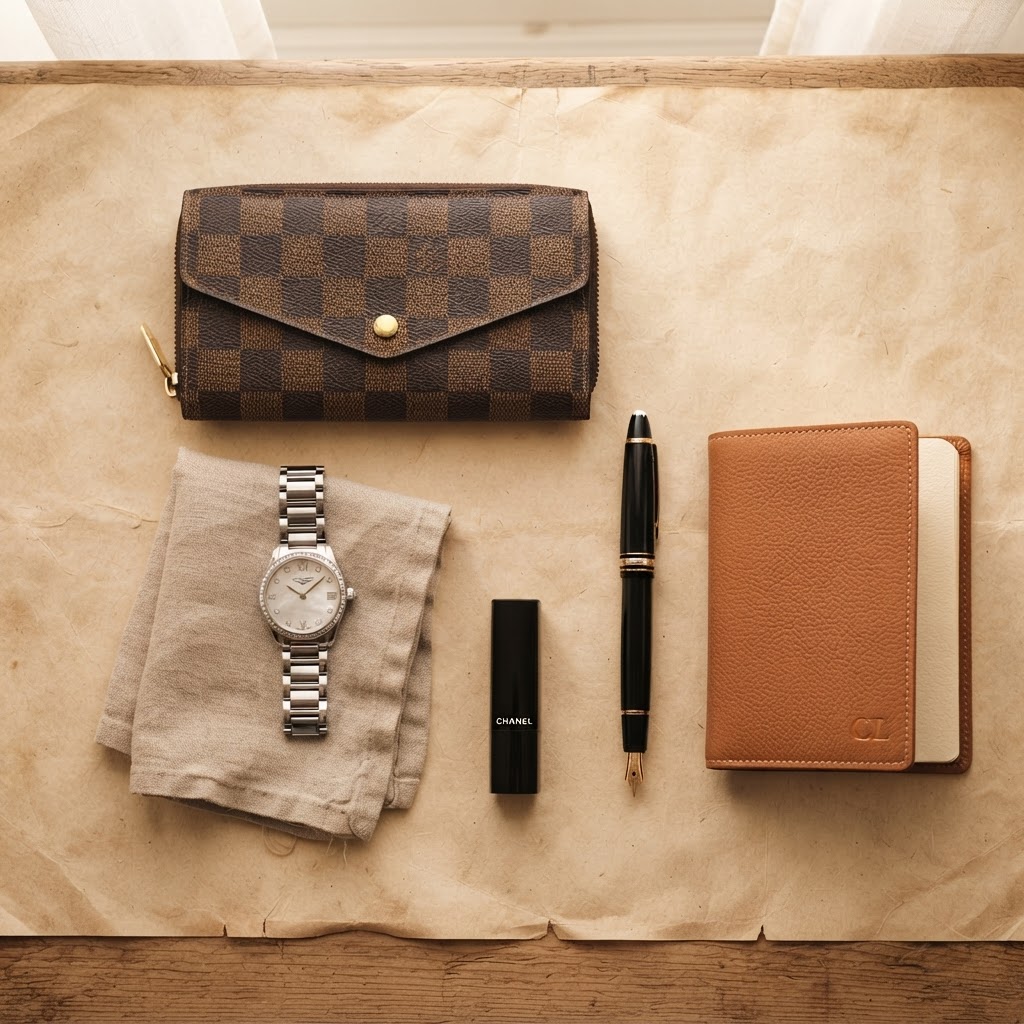
It is selecting a handbag that serves your life instead of merely decorating it.
It is maintaining your home because it protects the people you love.
It is investing in skills with the same intention you invest in your possessions.
Preparation is not fear.
It is responsibility.
It is respect for your future self.
Respect for your family.
Respect for the responsibilities you carry every day.
The quiet architecture of a prepared life is built from ordinary choices repeated with extraordinary consistency.
A thoughtfully packed bag.
A dependable flashlight.
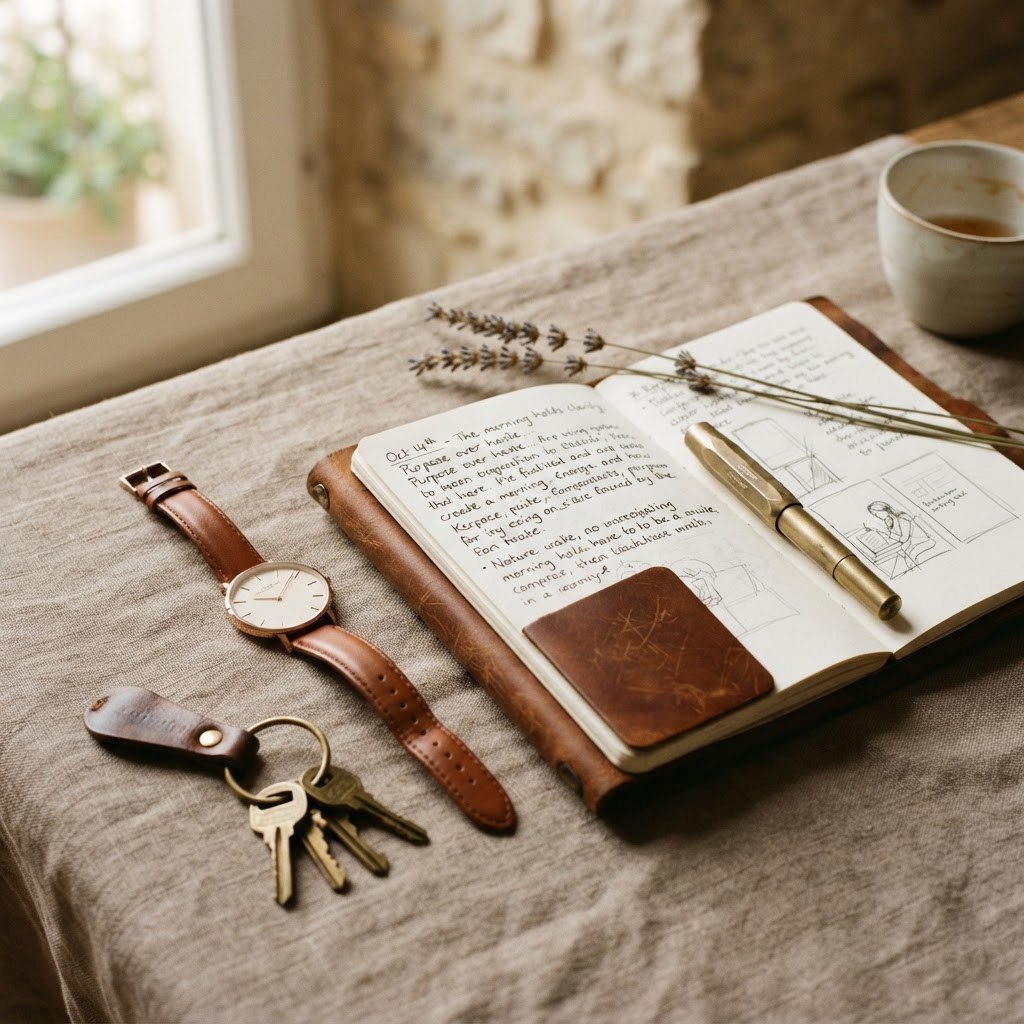
A journal filled with lessons learned.
A pantry that allows you to cook without rushing to the store.
A skill practiced before it is needed.
A purchase made because it solves a problem—not because it follows a trend.
None of these choices are extraordinary on their own.
Together, they become a way of living.
This philosophy also changes the way we define luxury.
Luxury is not excess.
Luxury is the confidence that comes from knowing what you own has earned its place.
It is choosing craftsmanship over impulse.
Heritage over novelty.
Purpose over prestige.
The goal is not to own everything.
The goal is to own the right things.
To cultivate the right habits.
To build the right skills.
Because a prepared life is not measured by how much you possess.
It is measured by how intentionally you live.
That is the quiet architecture we are building.
Not a life that seeks attention.
A life that earns confidence through thoughtful choices.
One intentional decision at a time.
Quiet Confidence. Timeless Choices.
— The Covert Lady