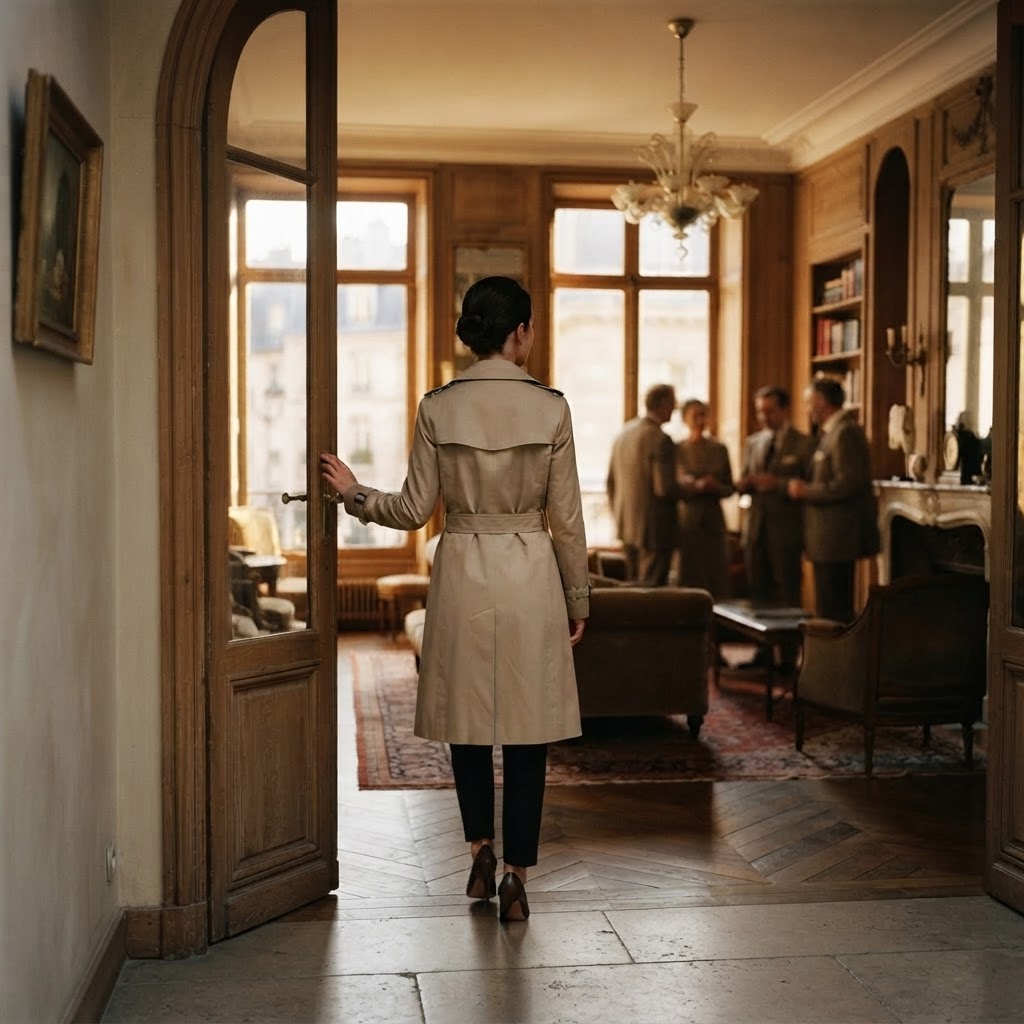
There is something undeniably captivating about someone who walks into a room with quiet confidence.
They aren't the loudest person. They don't demand attention, and they certainly aren't trying to become the center of the conversation. Their presence is subtle, refined, and intentional. They seem comfortable wherever they are, and people naturally take notice without ever quite understanding why.
I have come to believe that much of that confidence comes from something surprisingly simple—paying attention.
Situational awareness is often misunderstood. Many people associate it with constantly looking for danger or expecting the worst from everyone around them. I don't see it that way at all. To me, situational awareness is simply the practice of being present. It is choosing to engage with the world around you instead of allowing distractions to consume your attention. It is one of the simplest habits you can develop, yet it has the ability to change how you move through everyday life.
One of my favorite examples of this comes from the movie Spy Game. Robert Redford's character, Nathan Muir, never seems rushed, surprised, or overwhelmed. As he walks through airports, restaurants, city streets, and meetings, he isn't behaving like someone who is suspicious of every person he encounters. He's simply paying attention.
Before he ever sits down, he has already taken in the room. He notices who entered behind him, who appears comfortable, who seems out of place, where people naturally gather, and how the environment feels. None of it is dramatic. In fact, if you weren't looking for it, you might miss it entirely. Yet those quiet observations allow him to move with a confidence that feels effortless because he has already gathered the information he needs.
That is what I find so fascinating about situational awareness. It isn't loud. It isn't performative. It doesn't require constantly looking over your shoulder or making people uncomfortable.
It is the quiet habit of observing first and reacting second.
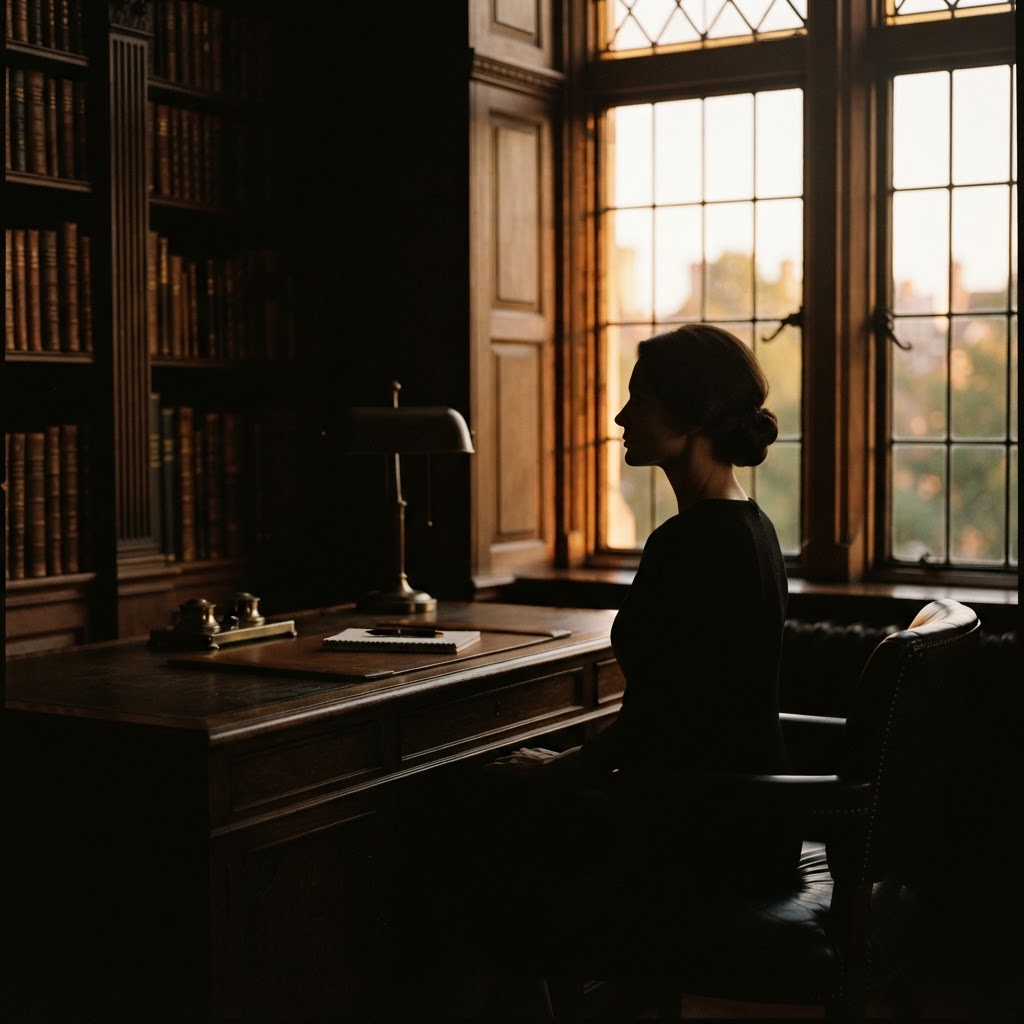
I have noticed that the most confident people are often the ones who have already taken a moment to understand the room before becoming part of it. They aren't wondering where to stand or feeling uneasy because they've already built a mental picture of their surroundings. They notice the atmosphere, the conversations, the people, and the energy without making it obvious that they're observing at all. Once they have that picture, they relax. They become fully present because their mind is no longer trying to catch up.
Ironically, that quiet intake of information is often what other people notice most. There is an ease about someone who is comfortable, observant, and fully engaged. They don't interrupt. They don't seek validation. They simply carry themselves with a calm confidence that comes from understanding their environment instead of being controlled by it.
We live in a world that constantly competes for our attention. We unlock our phones before we've left the parking lot, scroll while standing in line, and answer messages while walking through unfamiliar places. None of these habits seem particularly harmful, but together they slowly teach us to stop noticing what is happening around us. We become physically present while mentally somewhere else.
One of the easiest ways to begin practicing situational awareness costs absolutely nothing. Simply lift your eyes.
The next time you walk into your favorite coffee shop, restaurant, bookstore, or hotel lobby, resist the urge to immediately reach for your phone. Pause for just a few seconds before sitting down. Take in the room. Notice the atmosphere. Observe how people are interacting. Where are families gathered? Where are the employees moving? Does the room feel relaxed or hurried? Within moments, you'll naturally begin building a picture of what is normal.
Once you understand what normal looks like, anything that changes naturally becomes easier to notice. That doesn't mean something bad is about to happen. Most days, nothing unusual ever will. Awareness isn't about expecting danger. It's about understanding your environment well enough that you can stop thinking about it and simply enjoy the moment.
The same philosophy applies when you're driving. One of the best driving habits I ever learned came from my husband. Years ago, he told me to stop looking only at the car directly in front of me and start looking several vehicles ahead. At first it felt unnatural, but once I began doing it, I realized how much information I had been missing.
By looking multiple cars deep, you begin to anticipate traffic instead of simply reacting to it. You see brake lights before the car in front of you ever touches its brakes. You notice traffic beginning to slow, a vehicle weaving through lanes, or debris in the road long before it becomes your problem. Those extra few seconds often give you time to slow down gradually, change lanes smoothly, or simply prepare instead of making sudden decisions.
I've found that this way of driving doesn't just make me safer—it makes me calmer. I'm no longer surprised by what's happening because I've already seen it developing. That lesson extends far beyond driving. The more information you quietly gather, the more options you have, and options almost always lead to better decisions.
I've also learned that transitions deserve just as much attention as destinations. Walking through a parking lot, pumping gas, or loading groceries into your vehicle may seem routine, but they're often the moments when our minds have already moved on to the next task. We begin answering text messages, searching through our purse, or thinking about dinner before we've even reached the car.
Instead, I try to remain present until I'm safely inside with the doors locked. My keys are already in my hand before I leave the building. I take a quick look around as I approach my vehicle, get inside, and then organize my bag or return a phone call. It only takes a few extra seconds, but it allows me to finish one task before beginning another.
Awareness also changes the way you experience public places. Whether you're walking through an airport, a local festival, or your neighborhood farmers market, there is a rhythm to every environment. People naturally move in certain directions, gather in familiar places, and create a pattern unique to that space. I enjoy quietly observing those patterns because people are fascinating. You'll notice families celebrating birthdays, couples on first dates, business meetings over coffee, children full of excitement, and older couples still holding hands after decades together.
The more you observe, the more connected you become to the world around you. You stop living behind a screen and start appreciating the small moments that make everyday life beautiful.
Situational awareness has also made me more considerate. I notice when someone needs help reaching an item on a shelf. I see the person approaching the door before they have to open it themselves. I recognize when a parent is struggling with a stroller or when an elderly couple could use an extra hand. Paying attention doesn't just make you safer—it reminds you to be present for the people sharing the same space.
Perhaps that is the greatest lesson situational awareness has taught me. It isn't just about safety.
It's about living with intention.
It is about slowing down enough to truly see the world around you instead of rushing through it. It is about gathering information quietly, making thoughtful decisions, and moving with a confidence that never needs to announce itself.
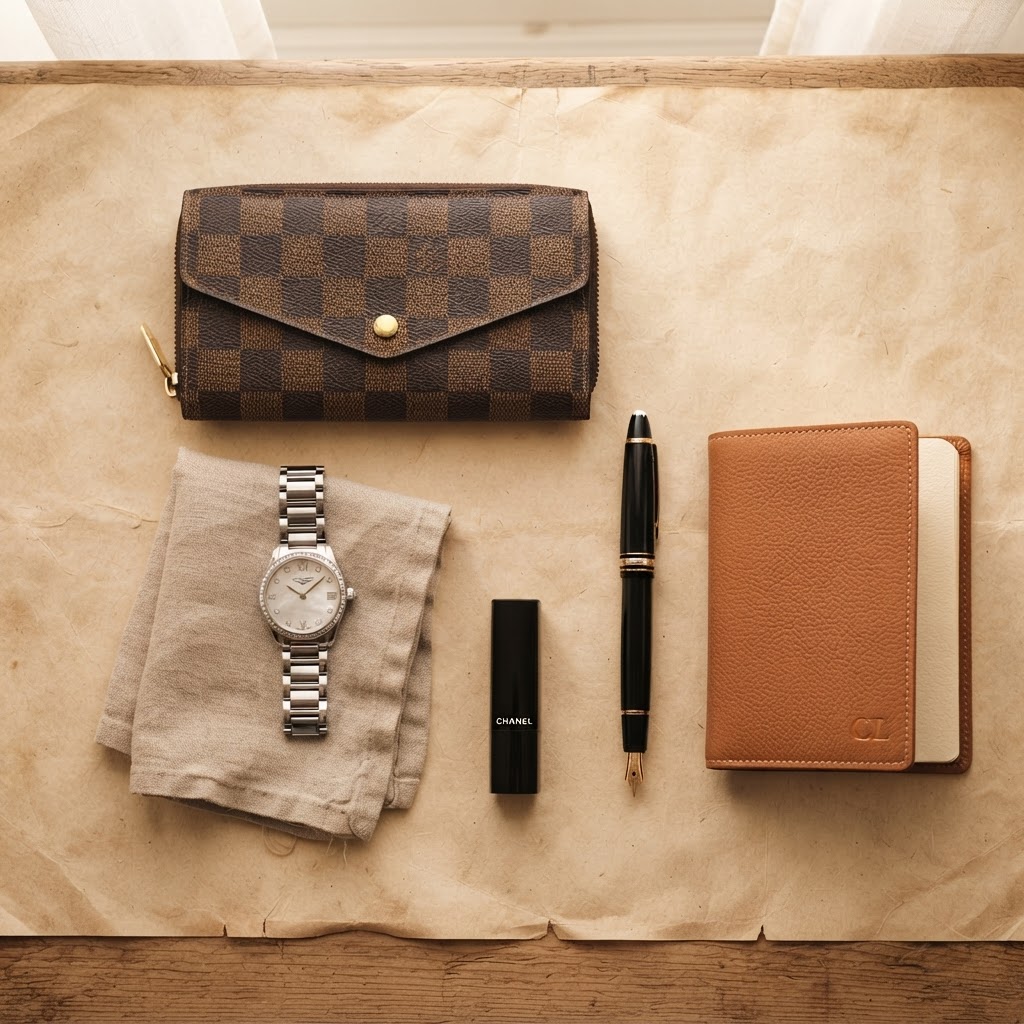
At Covert Lady, we often talk about being intentional with the things we carry. Choosing quality over quantity. Building systems instead of collecting stuff. Situational awareness is no different. The most valuable tool you will ever own cannot be clipped to your pocket or tucked inside your bag. Before any piece of equipment could ever help you, your mind has already made the most important decision.
There is a luxury in paying attention. It costs nothing, asks very little of you, and yet it changes every room you enter, every mile you drive, and every interaction you have.
Your presence doesn't have to be loud to be remembered. Sometimes the most remarkable people are the ones who quietly observe, thoughtfully engage, and leave others wondering what it is about them that felt so effortlessly confident.
That, to me, is what it means to be Covert Lady.
Observe First. Move With Intention.
— The Covert Lady